All Posts By

Yeremia Poco

10 tips before creating motion graphics explainer for startups

10 Tips Before Creating Motion Graphics Explainer for Startups

By | Explainer Video | No Comments

Why Startups Need to Stand Out

In today’s ultra-competitive startup world, you only have a few seconds to grab attention. Whether you’re pitching to investors, marketing to customers, or launching your MVP, clear communication is your secret weapon. That’s where a motion graphics explainer video for startups comes into play.

With limited resources and time, startups can’t afford long sales pitches or confusing brand messages. Motion graphics videos solve that by turning complex ideas into captivating, easy-to-digest visuals that connect immediately with your audience.

Let’s explore why motion graphics explainer videos are not just “nice to have,” but essential for startup success in 2025 and beyond.

What Is a Motion Graphics Explainer Video?

Definition and Key Characteristics

A motion graphics explainer video is a short, animated video that uses graphic design, animated text, illustrations, and dynamic transitions to explain a concept, product, or service. Unlike live-action explainer videos, they’re completely digital and typically last between 60–90 seconds.

Difference Between Motion Graphics and Traditional Animation

While both use animation, motion graphics are typically more minimalistic, focusing on symbols, icons, and text to communicate ideas, rather than character-driven storytelling or detailed cartoon-like animation. This makes motion graphics ideal for tech-heavy startups or SaaS platforms that want to convey functionality and value fast.

Why Startups Should Choose Explainer Videos
why startups should create explainer video

Communicating Complex Ideas Simply

Many startups offer innovative or technical solutions. Explainer videos are suitable for all industry; whether it’s blockchain, AI, fintech, or biotech—explaining what you do in under 2 minutes is challenging. A motion graphics explainer video simplifies this with clean visuals and guided narration.

Capturing Audience Attention in Seconds

Humans process visuals 60,000 times faster than text. Videos with moving elements, vibrant colors, and a clear message instantly capture attention on landing pages, social feeds, and emails—perfect for early-stage growth hacking.

Top Benefits of Motion Graphics Explainer for Startups

“Landing pages with explainer videos can increase conversion rates by up to 80%.”

Increased Brand Awareness and Recall

Why your business need explainer videos? When users understand your product clearly, they’re more likely to remember it. A well-crafted explainer video sticks in the viewer’s mind much longer than a static brochure or plain website copy.

Boost in Conversion Rates

According to market research, landing pages with explainer videos can increase conversion rates by up to 80%. When potential users understand your offer through a dynamic visual story, they’re more likely to sign up or buy.

Better Product Understanding

Instead of lengthy FAQs or demos, startups can visually show how a product works. This is especially useful for SaaS tools or mobile apps with multiple features.

1. Types of Motion Graphics Explainer For Startups

Product Demos

Use motion graphics to simulate app interfaces or dashboard functionalities, especially useful during beta launches.

Onboarding and How-To Guides

Help users understand your platform post-signup with animated guides that reduce support tickets and increase retention.

Fundraising Pitch Videos

Many startups use explainer videos during pitch sessions or crowdfunding campaigns to tell their story in a way that’s concise and visually memorable.

2. How to Script a Great Explainer Video for Starups
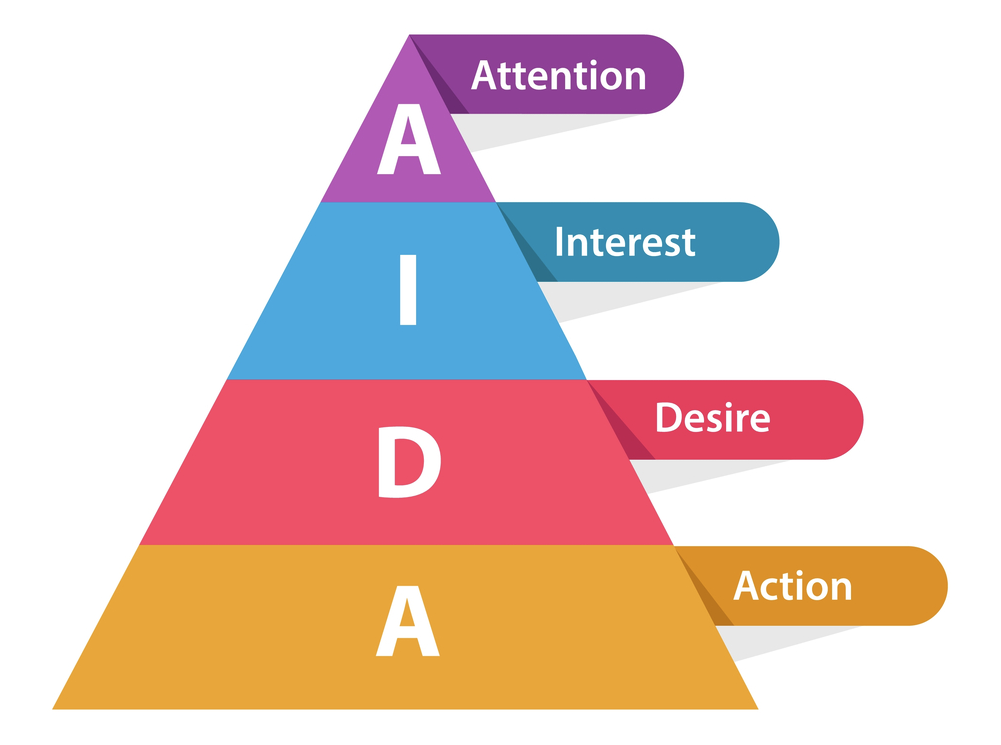
aida model for scripting explainer video

The AIDA Model (Attention, Interest, Desire, Action)

  • Attention: Start with a question or problem.
  • Interest: Introduce your startup’s solution.
  • Desire: Highlight features and benefits.
  • Action: End with a clear call-to-action (CTA).

Writing with Clarity and Brevity

Keep it short and simple (KISS principle). Every second counts. Avoid jargon and focus on user-centric benefits.

3. Design Principles That Make Your Explainer Video Effective

Color Psychology and Brand Identity

Choose a palette that aligns with your brand and evokes the right emotion—blue for trust, green for growth, red for urgency.

Typography and Animation Flow

Fonts must be easy to read, even on mobile. Animations should feel smooth, not distracting. Transitions must guide the viewer’s attention naturally.

4. Voiceover vs. Text-Only: Which Works Best?

Voiceovers add a personal touch and are more engaging, especially when localized for global audiences. However, text-only videos with background music are cost-effective and perfect for social media.

5. How Long Should a Startup Explainer Video Be?

Ideal Duration Based on Platform

  • Website Landing Page: 60–90 seconds
  • Social Media (Instagram, TikTok): 30–60 seconds
  • YouTube Ads: 15–30 seconds

Attention Span Considerations

Shorter is better. The first 10 seconds must hook the viewer. A concise message improves retention and engagement.

6. Real-World Case Studies: Startups That Won Big with Motion Graphics

  • Slack: Their original explainer video clarified what the tool did before it became mainstream.
  • Dropbox: Grew 10M+ users largely thanks to a simple animated explainer on their homepage.
  • Headspace: Uses motion graphics to simplify mental wellness topics for users of all ages.

7. Tools and Software for Creating Motion Graphics Explainer Videos

Adobe After Effects

The industry standard for professional motion graphics. Ideal if you’re hiring a studio or have an in-house designer.

Vyond, Animaker, and Other No-Code Tools

Great for startups with limited budgets. These platforms offer drag-and-drop animation templates and built-in libraries.

8. DIY vs Hiring a Professional Studio

Budget, Time, and Quality Tradeoffs

  • DIY: Cheaper, but can look amateurish.
  • Studio: Costs more ($1,000–$5,000+), but offers scriptwriting, voiceover, animation, and revisions.

If your explainer video is central to your pitch or launch, professional production is a wise investment.

Eggplain is team of experienced animators with a decade of expertise in animated explainer videos, 2D animation, and motion graphics. Since 2015, we have positioned ourselves as one of the world’s top animation production companies, consistently delivering outstanding results.

With a portfolio comprising 400+ videos, we have had the privilege of collaborating with well-known brands you see every day, such as Canva, InBody, Delta Electronics, and United Overseas Bank (UOB).

Book Your Consultation!

No payment or credit card information required.

9. SEO and Marketing Advantages of Video Content

Better Google Rankings

Web pages with videos are 53 times more likely to rank on the first page of Google.

Higher Engagement on Social Media

Motion graphics videos get shared 1200% more than links or text combined. That’s viral startup growth at work.

10. Common Mistakes to Avoid in Startup Explainer Videos

  • Making the video too long
  • Using too much jargon
  • Not having a strong CTA
  • Ignoring mobile optimization
  • Focusing on features, not benefits

FAQs About Motion Graphics Explainer Video for Startups

Q1. What’s the ideal length for a startup explainer video?
A: 60–90 seconds is optimal for most platforms. Keep it concise and engaging.

Q2. How much does it cost to produce one professionally?
A: Costs range from $1,000 to $5,000+ depending on style, length, and studio reputation.

Q3. Are motion graphics videos good for B2B startups?
A: Absolutely. They’re perfect for communicating software benefits or platform features to business clients.

Q4. Can I make one myself without animation experience?
A: Yes, platforms like Animaker and Vyond allow non-designers to create decent motion graphics explainer videos.

Q5. Do these videos improve conversions and sales?
A: Yes. They help users quickly understand your offer, which directly impacts signups and purchases.

Q6. Should I use voiceover or just music and text?
A: Voiceover increases engagement, especially for serious or emotional messaging. Text-only is effective for silent viewing on social media.

Conclusion: The Future of Visual Communication for Startups

A motion graphics explainer video for startups is no longer just a trend—it’s a strategic asset. From simplifying your message to boosting conversions and creating a memorable brand image, this format ticks all the boxes.

Whether you’re launching a product, raising capital, or growing your user base, motion graphics give your startup a voice that stands out—clear, visual, and unforgettable.
Benefits of Using Motion Graphics for Explainer Video in 2025

Benefits of Using Motion Graphics for Explainer Video in 2025

By | Explainer Video | No Comments

Introduction to Motion Graphics and Explainer Videos

What Are Motion Graphics?

Motion graphics are animated graphic design elements. Unlike traditional animation, which focuses on storytelling through characters and scenes, motion graphics animate shapes, text, icons, and other visual elements to convey ideas quickly and clearly. These graphics bring life to otherwise static content and are used across marketing, education, and corporate communication.

The Rise of Explainer Videos in Digital Marketing

Explainer videos are short, informative videos that explain a product, service, or concept in a concise and engaging manner. They have become an essential tool for businesses to:

  • Simplify complex topics.
  • Boost conversions.
  • Improve user understanding.

With attention spans shrinking, motion graphics offer a captivating format for explainer videos that can quickly grab and hold the viewer’s attention.

“Landing pages with explainer videos convert 86 % better compared to those without.”Yansmedia

Why Motion Graphics Work Perfectly for Explainer Videos

The Power of Visual Storytelling

Visuals speak louder than words. Motion graphics blend visuals, sound, and motion to tell compelling stories in under two minutes. They take abstract concepts and turn them into easy-to-understand narratives.

Simplifying Complex Ideas

From blockchain technology to health care procedures, motion graphics can break down even the most complex subjects into digestible chunks. Using icons, charts, and animated diagrams, viewers understand intricate ideas faster and more effectively.

Keeping the Audience Engaged

Animated videos are fun to watch. With the right pacing, voiceover, and design, motion graphics explainer videos maintain viewer interest longer than traditional formats. This results in:

  • Better retention rates.
  • Higher watch times.
  • Increased message clarity.

Motion Graphics vs Live Action vs Whiteboard Animation

StyleProsCons
Motion GraphicsVisually engaging, versatile, affordableMay lack emotional realism
Live ActionRelatable, emotionalExpensive, less flexible
WhiteboardSimple, effective for teachingOutdated visuals, limited appeal

Choose based on your message, audience, and budget.

Real-World Examples of Successful Motion Graphic Explainer Videos

Tech Startups

Motion graphics are fantastic for explaining tech startups because they simplify complex innovations and make them exciting to watch. By combining sleek visuals, animation, and clear narration, motion graphics can break down a startup’s product, mission, and value proposition in under a minute—perfect for pitching to investors or winning over new users. They help turn futuristic ideas into something people instantly “get.”.

Healthcare Industry

Motion graphics are a powerful tool for the healthcare industry because they make complex medical information visually digestible and emotionally engaging. Whether it’s explaining how a new treatment works, visualizing data from health studies, or guiding patients through procedures, motion graphics bring clarity to content that might otherwise feel overwhelming or inaccessible. They help bridge the gap between clinical precision and human understanding—perfect for both professionals and everyday viewers..

Abstract Ideas

Motion graphics are perfect for making abstract ideas feel tangible and understandable. By blending visuals, movement, and sound, they turn complex concepts—like data flow, time travel, or emotional states—into something you can see and feel.

Cost of Producing Motion Graphics for Explainer Videos

Freelancers vs Agencies

  • Freelancers: More affordable but may lack full-service capabilities.
  • Agencies: Offer scriptwriting, design, animation, and voiceover under one roof—at a premium price.

Cost Breakdown by Project Phase

PhaseEstimated Cost
Scriptwriting$100 – $200
Storyboarding$300 – $1000
Animation$600 – $2000+
Voiceover & Music$200 – $300

How to Maximize ROI

  • Focus on one clear message.
  • Distribute the video across multiple platforms.
  • Repurpose content into shorter clips or ads.

Need Motion Graphics Explainer Video for Your Product?

Eggplain is team of experienced animators with a decade of expertise in animated explainer videos, 2D animation, and motion graphics. Since 2015, we have positioned ourselves as one of the world’s top animation production companies, consistently delivering outstanding results.

With a portfolio comprising 400+ videos, we have had the privilege of collaborating with well-known brands you see every day, such as Canva, InBody, Delta Electronics, and United Overseas Bank (UOB).

Book Your Consultation!

No payment or credit card information required.

FAQs about Motion Graphics for Explainer Video

1. How long should a motion graphics explainer video be?
Most are 60–90 seconds long—enough to capture attention and explain key points.

2. Do I need a voiceover for my motion graphics video?
Yes, a voiceover adds clarity and emotion. However, some platforms favor caption-only formats.

3. Can I use motion graphics in ads?
Absolutely! They perform well in social media ads, YouTube pre-rolls, and display networks.

4. What’s the difference between motion graphics and animation?
Motion graphics animate design elements like text and icons, while animation often refers to character-driven storytelling.

5. Are motion graphics suitable for B2B companies?
Yes, they are ideal for explaining complex solutions or products to business decision-makers.

6. How do I measure the success of my explainer video?
Track metrics like watch time, click-through rate, conversion rate, and social shares.

Conclusion: Why Motion Graphics Are a Game-Changer for Explainer Videos

In a world where attention spans are shrinking, motion graphics offer an engaging, effective way to communicate ideas quickly and clearly. Whether you’re a startup launching a new product or a global brand enhancing customer education, motion graphics for explainer video can transform how you connect with your audience.

Investing in this format ensures that your message doesn’t just reach people—it resonates and sticks.

illustrations of business people and growth with headline that compares explainer video and demo video

Explainer Video vs Demo Video (2025 Guide)

By | Explainer Video | No Comments

Introduction to Video Marketing

The Rise of Video in Digital Content

Video marketing is no longer optional, it’s a necessity. With platforms like YouTube, TikTok, and LinkedIn becoming major hubs for visual content, businesses are turning to videos to attract, inform, and convert their audiences. In fact, studies show that video content can boost conversion rates by more than 80% when used effectively.

Why Businesses Rely on Visual Communication

People process visuals 60,000 times faster than text. Whether it’s to showcase a product or explain a complex idea, videos help audiences understand and retain information quickly. That’s why businesses use different types of videos, especially explainer and demo videos, depending on their strategic goals.

What Is an Explainer Video?

Definition and Core Purpose

An explainer video is a short, engaging piece of content that breaks down a product, service, or idea in a clear and compelling way. Its goal is not to show the exact workings of the product but to explain why it matters and how it helps the viewer.

Typical Use Cases for Explainer Videos

  • Startup pitch presentations
  • Landing pages or homepages
  • Social media advertising
  • Email marketing campaigns
  • Product awareness campaigns

Formats and Animation Styles

Explainer videos often use:

  • 2D or 3D animation
  • Whiteboard animation
  • Motion graphics
  • Kinetic typography
  • Live-action + voiceover

73% of marketers created explainer videos in 2025, making explainer one of the top formats

What Is a Demo Video?

Definition and Intent Behind Demo Videos

A demo video, short for “demonstration video,” is designed to showcase how a product works. It gives viewers a clear, step-by-step guide or walkthrough of the product in use, often involving real interfaces, tools, or physical products.

When Are Demo Videos Used?

  • During the sales process (mid to bottom of the funnel)
  • Customer onboarding and training
  • Product feature highlights
  • Tutorials and help center content

Live Action vs Screen Recording Demos

Demo videos can be recorded using:

  • Screen recordings (common for software)
  • Live-action demos (for physical products or SaaS walkthroughs)
  • Hybrid formats that blend visuals and narration

48% of video marketers produce product demo videos

Explainer Video vs Demo Video: Core Differences

Purpose: Educate vs Demonstrate

  • Explainer Video: Simplifies ideas to create interest or awareness.
  • Demo Video: Shows the nitty-gritty, often post-interest, to drive action or retention.

Target Audience Differences

  • Explainer Video: Top-of-funnel prospects who need to understand the “why.”
  • Demo Video: Middle or bottom-of-funnel users ready for the “how.”

Style, Length, and Structure

  • Explainer videos: Short (60–90 seconds), storytelling style, animated.
  • Demo videos: Longer (2–5 minutes), practical and feature-focused, screen-based or real-life recording.
Video TypeAvg. LengthProduction TimeCost Estimate
Explainer60-90 secs4–6 weeks$1,000–$15,000+
Demo2–5 mins2–4 weeks$500–$5,000+

Benefits of Explainer Videos

Simplifies Complex Ideas

Explainer videos turn jargon and confusion into clarity using relatable stories and visuals.

Boosts Brand Awareness

They’re highly shareable and perfect for increasing visibility across platforms like YouTube and Instagram.

Increases Conversion Rates

By emotionally connecting with viewers and illustrating value, explainer videos lead to more sign-ups, leads, or purchases.

Benefits of Demo Videos

Drives Product Adoption

Demo videos help users learn features faster, increasing product usage and satisfaction.

Builds Trust Through Transparency

By showing your product in action, demo videos prove its value in a straightforward manner.

Useful for Onboarding and Training

New customers and employees benefit greatly from guided, visual walkthroughs.

Which One Should You Choose?

illustration of a person making business decision on a fork of the road

Choosing Based on Marketing Funnel Stages

  • Top-of-Funnel (Awareness): Go with explainer videos.
  • Middle to Bottom-of-Funnel (Consideration/Decision): Opt for demo videos.

Product Complexity and Buyer Readiness

If your product is new or innovative, an explainer builds foundational knowledge. If it’s already known but complex to use, a demo will guide users effectively.

Combining Explainer and Demo Videos

Many brands benefit from using both:

  • Use explainer videos in ads or homepage.
  • Embed demo videos in product pages or onboarding flows.

Need Explainer Video or Demo Video for Your Product?

Eggplain is team of experienced animators with a decade of expertise in animated explainer videos, 2D animation, and motion graphics. Since 2015, we have positioned ourselves as one of the world’s top animation production companies, consistently delivering outstanding results.

With a portfolio comprising 400+ videos, we have had the privilege of collaborating with well-known brands you see every day, such as Canva, InBody, Delta Electronics, and United Overseas Bank (UOB).

Book Your Consultation!

No payment or credit card information required.

FAQs

1. What is the main difference between an explainer and a demo video?
Explainers educate or simplify a concept, while demo videos show how a product works in detail.

2. Can I use both video types in one marketing campaign?
Yes! They serve different purposes and complement each other perfectly across the funnel.

3. How long should each video be?
Explainer videos should be around 60–90 seconds. Demo videos can be 2–5 minutes depending on depth.

4. Are demo videos only for software?
No, they’re used for physical products too, especially in e-commerce and tech industries.

5. Do explainer videos help with SEO?
Absolutely. They improve dwell time and increase engagement, helping your page rank better.

6. How do I know which type my audience needs?
Assess your funnel stage. Use explainers for early awareness, and demos for converting interest into action.

Conclusion: Explainer Video vs Demo Video

Understanding the difference between an explainer video vs demo video is essential for modern marketing. Explainers captivate and clarify, while demos instruct and convert. Both are powerful tools, but their effectiveness depends on how and when you use them. Want to maximize ROI? Use both strategically across your marketing funnel.

which platform is best for explainer videos

Which Platform Is Best for Explainer Videos Distribution?

By | Explainer Video | No Comments

Explainer videos are one of the most effective tools for grabbing attention, educating audiences, and driving conversions. But even the best video won’t perform well if it’s not shared on the right platform. Choosing where to upload your explainer videos can make or break their impact. Here’s a breakdown of the best social media platforms for your explainer videos, what makes each one valuable, and how to get the most out of them.

1. YouTube

“Daily active users: approximately 122 millions.”

Why it’s great:
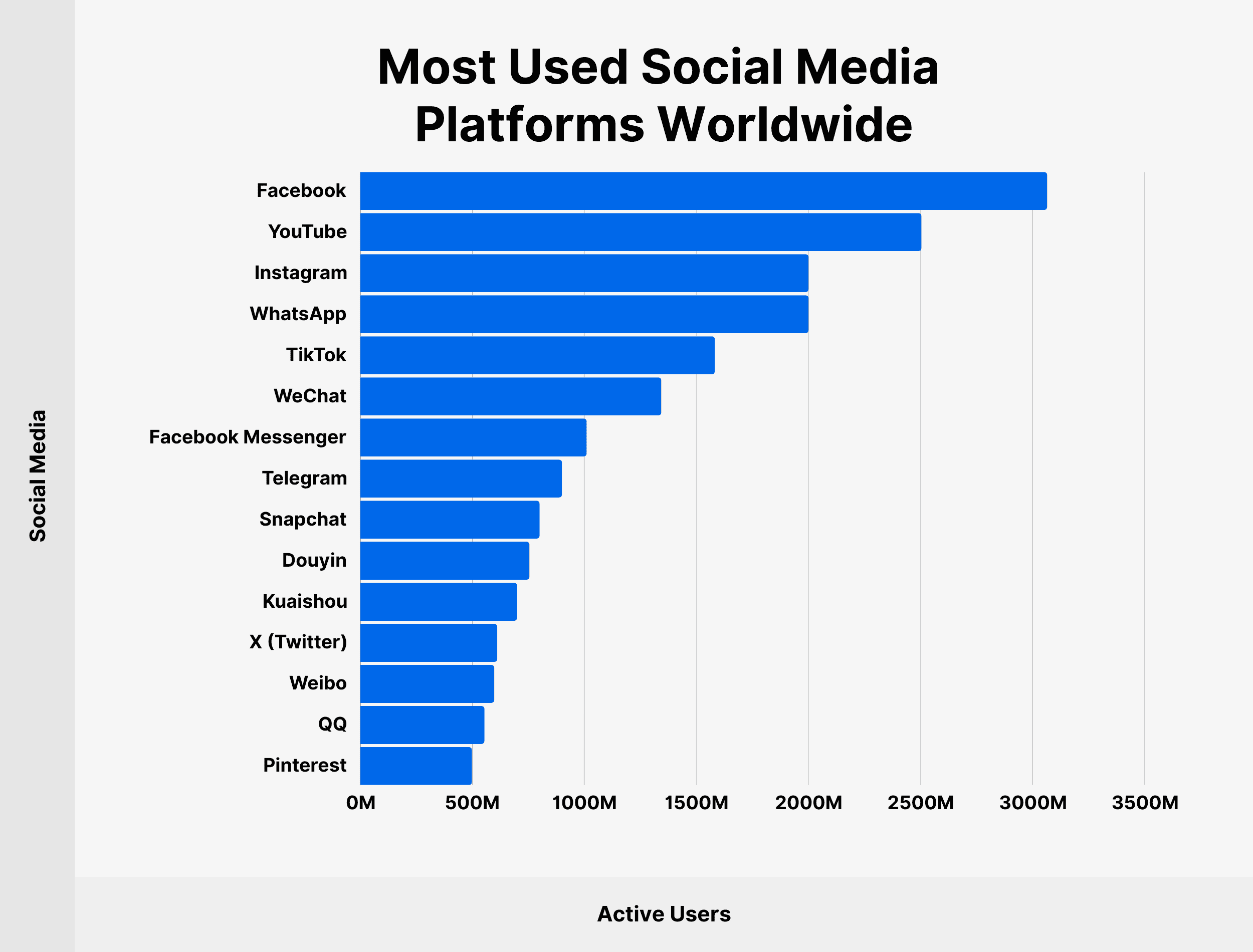
YouTube is the king of video content. With over 2 billion monthly logged-in users, it’s the go-to platform for long-form and educational content. It’s also owned by Google, meaning your explainer videos can show up in search results, giving them a longer shelf life.

Best for:

  • Product or service demos
  • Tutorials
  • SEO-driven traffic

Tips:

  • Optimize your titles, descriptions, and tags with relevant keywords.
  • Create custom thumbnails to increase click-through rates.
  • Add chapters or timestamps for longer videos.

2. Instagram

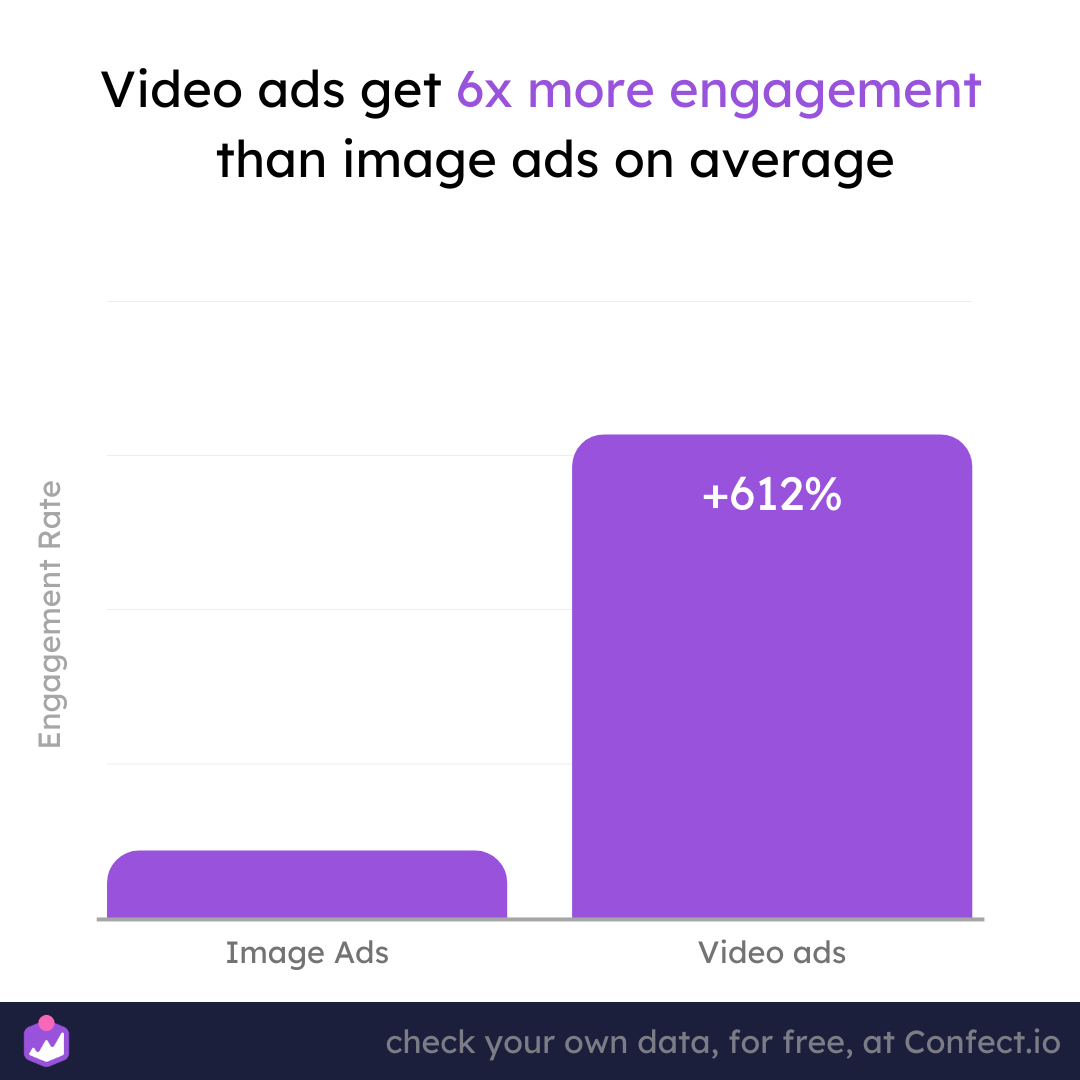
“Reels Engagement Rate: 1.23%, higher than photos (0.70%) and carousels (0.99%).”

Why it’s great:
Instagram is all about short-form visual content. It supports multiple video formats—Stories, Reels, and IGTV—making it perfect for bite-sized explainer videos.

Best for:

  • Quick how-tos
  • Teasers or highlights of longer explainer videos
  • Visually appealing content for mobile users

Tips:

  • Keep Reels under 60 seconds for best engagement.
  • Use subtitles; most viewers watch without sound.
  • Post consistently and use relevant hashtags.

3. Facebook

Why it’s great:
Despite newer platforms gaining attention, Facebook still boasts nearly 3 billion users. Its video player is built for autoplay, which boosts views. Plus, Facebook’s ad tools make it easy to promote explainer videos to a targeted audience.

Best for:

  • B2C product videos
  • Brand awareness campaigns
  • Explainer videos tied to promotions or offers

Tips:

  • Upload videos directly to Facebook (don’t just share a YouTube link).
  • Include captions to maximize reach.
  • Engage with comments to increase organic reach.

4. LinkedIn

Why it’s great:
If you’re targeting professionals, B2B decision-makers, or industry experts, LinkedIn is your arena. Explainer videos that solve business problems or showcase software features work especially well here.

Best for:

  • SaaS and tech products
  • Thought leadership content
  • Company culture or onboarding videos

Tips:

  • Keep videos under 2 minutes.
  • Use clean, professional visuals.
  • Add a strong hook in the first 5 seconds.

Users are 20 times more likely to share video content.

5. TikTok

Why it’s great:
TikTok isn’t just for dance trends and memes anymore. It’s now a massive discovery platform, especially among Gen Z and Millennials. Its short, algorithm-driven content gives explainer videos a real chance to go viral.

Best for:

  • Quick product demonstrations
  • Entertaining or quirky explainer formats
  • Consumer-facing brands with a casual tone

Tips:

  • Keep it short and punchy (under 60 seconds).
  • Use trending audio and hashtags.
  • Focus on storytelling and authenticity.

Choosing the Right Platform: Key Factors

Not every platform will work for every business. Ask yourself:

  • Who is your target audience?
  • What’s the length and style of your explainer video?
  • Do you want reach, engagement, SEO, or conversions?

It’s often smart to tailor your explainer video for multiple platforms. Repurpose content in different lengths or formats to maximize reach and effectiveness.

Want to Explainer Video for Your Brand?

Eggplain is team of experienced animators with a decade of expertise in animated explainer videos, 2D animation, and motion graphics. Since 2015, we have positioned ourselves as one of the world’s top animation production companies, consistently delivering outstanding results.

With a portfolio comprising 400+ videos, we have had the privilege of collaborating with well-known brands you see every day, such as Canva, InBody, Delta Electronics, and United Overseas Bank (UOB).

Book Your Consultation!

No payment or credit card information required.

FAQ: Explainer Video Distribution on Social Media

Q: What’s the best platform overall to upload explainer videos?
A: YouTube is the best all-around platform for visibility, SEO, and longevity. But if you’re aiming for quick engagement or targeting a specific audience, Instagram, TikTok, or LinkedIn might serve better.

Q: How long should my explainer video be for social media?
A: Aim for 60–90 seconds. On platforms like TikTok or Instagram Reels, even 15–30 seconds can be powerful. For YouTube or LinkedIn, you can go up to 2–3 minutes if the content justifies it.

Q: Should I use subtitles?
A: Yes. Many users watch without sound, especially on mobile. Subtitles improve accessibility and engagement.

Q: Can I post the same video on every platform?
A: You can, but it’s better to customize. A square or vertical format performs better on Instagram and TikTok, while horizontal is ideal for YouTube and LinkedIn.

Q: What video format works best across social platforms?
A: MP4 is the most widely accepted format. Stick to high-resolution (at least 1080p) and ensure mobile optimization.

Q: Should I run ads for my explainer videos?
A: If you have budget, yes. Platforms like Facebook, Instagram, LinkedIn, and TikTok offer precise targeting. Ads can significantly increase your reach and conversion rate.

Final Thoughts

Explainer videos are only as powerful as the platforms you use to share them. Each social media channel has its strengths, and the best strategy often involves a combination of platforms tailored to your audience and goals. Repurpose smartly, optimize for mobile, and use analytics to double down on what works.

If your explainer video is great, the right platform will make sure the right people see it—and take action.

Video Algorithms Comparison YouTube, TikTok, and Instagram

Video Algorithms Comparison: YouTube, TikTok, and Instagram

By | Uncategorized | No Comments

Introduction

Before we dive to video algorithms comparison, let’s learn what are video algorithms and why they matter. Video platform algorithms are the invisible gatekeepers of the internet’s most popular content. These complex, data-driven systems decide what you see, when you see it, and how often you come back for more. Whether you’re a casual viewer or an ambitious content creator, understanding these algorithms is crucial to success in the digital video space.

Core Goals of Recommendation Systems

Every platform’s algorithm has one primary goal: maximize user engagement. They achieve this by surfacing content that keeps viewers scrolling, watching, and interacting. But how they do this varies significantly from platform to platform. Some prioritize watch time, while others favor interaction rates or social signals.

YouTube’s Algorithm

YouTube’s algorithm has evolved dramatically since its launch in 2005. Initially focused on views alone, it later shifted toward watch time, then engagement, and now leans heavily on personalization via machine learning.

Watch Time

One of the strongest indicators of value to YouTube. Videos that keep viewers watching longer tend to rank higher.

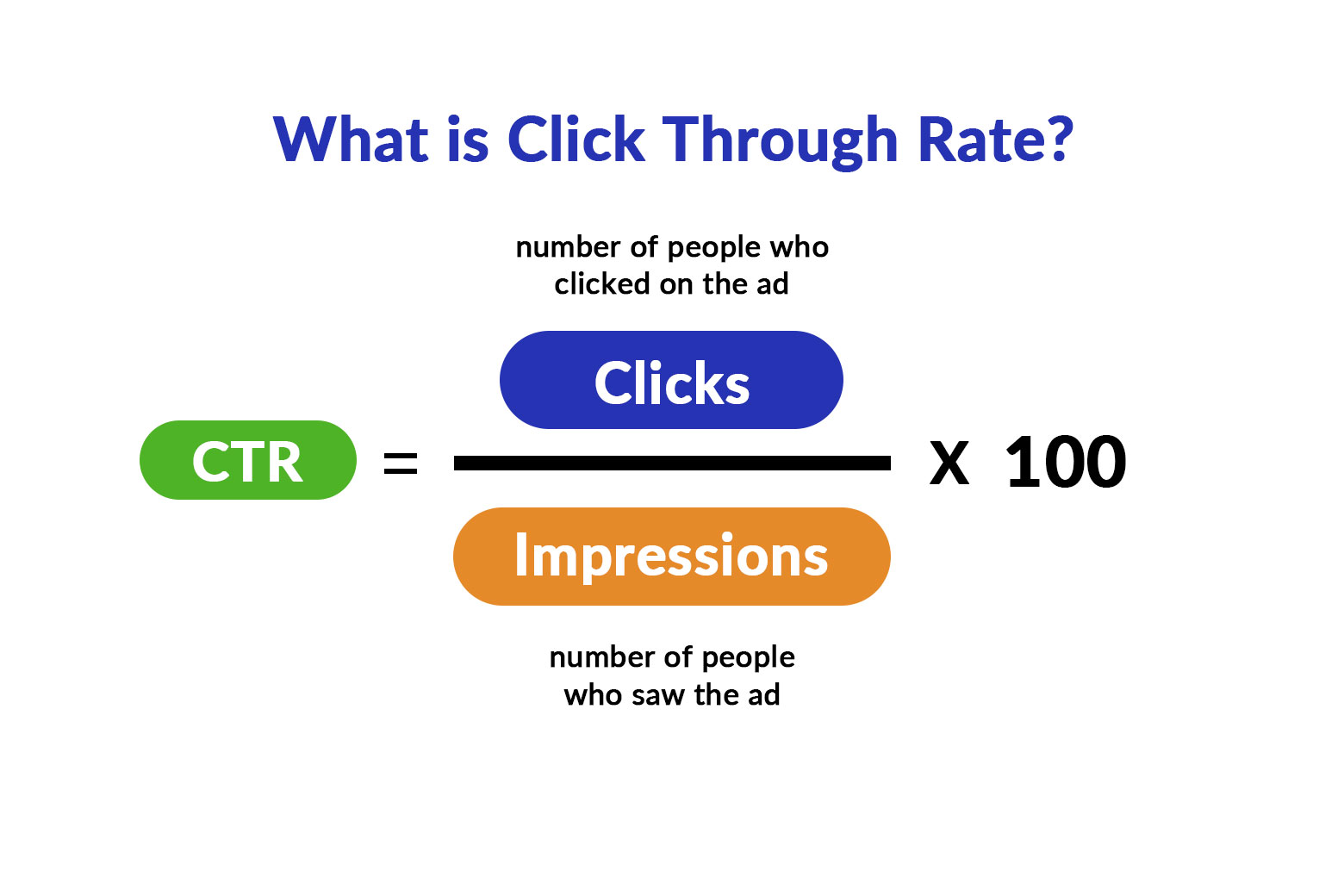
Click-Through Rate (CTR)

CTR determines how many people clicked after seeing your video in their feed. Thumbnails and titles play a critical role here.

Engagement Metrics

Likes, shares, comments, and subscriptions all signal value to the algorithm, boosting visibility.

AI Personalization and Machine Learning

YouTube’s deep learning models predict what each user wants to watch next, based on behavior, history, and demographics.

“YouTube’s algorithm prioritizes watch time, click-through rate (CTR), and viewer retention as primary metrics for video ranking.”

TikTok’s Algorithm

“For You Page” (FYP) Logic

TikTok’s infamous “FYP” is driven by micro-interactions and an early boost system. Even new users can go viral overnight if the content resonates.

User Interaction

Likes, comments, shares, and even re-watches are powerful signals. The more interaction your video gets early on, the more it gets pushed.

Video Information

Captions, sounds, hashtags, and descriptions help TikTok understand what your video is about.

Device and Account Settings

TikTok also considers device type, location, and language preferences when showing content.

“When a video is uploaded, it’s initially shown to a small group of users to gauge engagement before being promoted to a broader audience.”

Instagram Reels Algorithm

Feed vs. Explore vs. Reels Algorithm Differences

Each part of Instagram uses a slightly different algorithm. The Reels algorithm favors quick engagement and visual appeal.

Content-Type and Viewer Behavior

Content that receives a lot of replays, shares, and saves tends to be boosted. Viewer behavior plays a strong role in what’s recommended next.

Role of Originality and Trends

Trending audio and timely topics can significantly boost a Reel’s exposure, but originality is key to sustained growth.

“Instagram Reels’ algorithm emphasizes average watch time, likes per reach, and sends per reach as crucial metrics.”

Comparing Algorithm Strategies Side by Side

algorithm influences video platform

Discovery vs. Subscription-Based Models

YouTube leans on subscriptions and watch history, while TikTok and Reels focus on discovery-based exposure—any video can trend, regardless of follower count.

Engagement vs. Virality

TikTok favors instant virality. YouTube and Facebook reward long-term engagement and loyalty.

Transparency and Control

YouTube gives creators tools like analytics and Studio to optimize content. TikTok remains more opaque, making strategic planning harder.

How Creators Should Adapt Across Platforms

Platform-Specific Optimization Tips

  • YouTube: Focus on thumbnails and long watch times.
  • TikTok: Hook viewers in the first 3 seconds.
  • Instagram Reels: Use trending audio and engaging captions.

Cross-Posting vs. Tailored Content

Cross-posting can work, but tailoring content to each platform’s style and viewer behavior yields better results.

Tools to Analyze Performance

Use built-in analytics tools like YouTube Studio, TikTok Analytics, and Meta Creator Studio to guide improvements.

Future of Video Algorithms

What we can expect after reading this video algorithms comparison? Expect more personalized, AI-curated content feeds. Some platforms may even auto-generate video summaries. Future algorithms will anticipate your preferences before you know them—using context, habits, and even biometric data.

Algorithm-Driven Video for Your Brand?

Eggplain is team of experienced animators with a decade of expertise in animated explainer videos, 2D animation, and motion graphics. Since 2015, we have positioned ourselves as one of the world’s top animation production companies, consistently delivering outstanding results.

With a portfolio comprising 400+ videos, we have had the privilege of collaborating with well-known brands you see every day, such as Canva, InBody, Delta Electronics, and United Overseas Bank (UOB).

Book Your Consultation!

No payment or credit card information required.

FAQs

1. How do video algorithms affect creators?

Algorithms determine visibility. If your content doesn’t align with a platform’s ranking factors, it’s less likely to be seen—even if it’s high-quality.

2. Which platform is best for going viral?

TikTok has the lowest barrier to virality. A single clip can reach millions, even from a brand-new account.

3. Can creators influence the algorithm?

Absolutely. By optimizing for engagement, using trends wisely, and understanding analytics, creators can align with algorithmic preferences.

4. Do all platforms penalize reused content?

Most do. Originality is rewarded, especially on Instagram and TikTok. Reposting without changes can reduce reach.

5. How often do these algorithms change?

Frequently. Platforms tweak their algorithms weekly or monthly, often without public notice.

6. Are video algorithms fair?

They strive to be, but biases exist. Transparency and better design can improve fairness and representation over time.

Conclusion

If there’s one key takeaway from this video platform algorithm comparison, it’s that each platform’s algorithm is shaped by its unique mission and target audience.. YouTube favors depth, TikTok loves trends, and Facebook emphasizes relationships. Choosing the right platform based on goals. Want long-term growth and monetization? Go YouTube. Crave fast exposure? Try TikTok. Need niche or professional visibility? Use LinkedIn.

poster for how audience engagement influences video platform algorithms

How Audience Engagement Influences Video Platform Algorithms

By | Video Algorithm | No Comments

Introduction to Video Platform Algorithms

In the ever-evolving world of digital media, understanding how audience engagement influences video platform algorithms is no longer optional—it’s essential. Whether you’re a content creator, marketer, or curious viewer, knowing how platforms like YouTube, TikTok, and Instagram decide which videos go viral can drastically change your approach to online video.

What Are Video Platform Algorithms?

Video platform algorithms are complex sets of rules and machine learning models that determine what content gets shown to which users. These algorithms analyze user behavior, content metadata, and interaction signals to predict what will keep viewers engaged.

Major Platforms and Their Algorithmic Goals

Each platform tailors its algorithm differently:

  • YouTube prioritizes long watch times and session duration.
  • TikTok focuses on short-term engagement and user interaction speed.
  • Instagram Reels leans heavily on comments, shares, and saves.

All aim to maximize time spent on their platform by serving the most relevant and engaging content possible.

81% of people are interested in receiving interactive video content from brands, with the number jumping to 94% for Gen Z consumers.


Defining Audience Engagement

Audience engagement is the heartbeat of video performance. It tells platforms whether a video is interesting, valuable, or worth sharing further.

Core Engagement Metrics: Likes, Comments, Shares

These traditional engagement signals remain critical:

  • Likes act as quick approval.
  • Comments show depth of interest.
  • Shares extend reach and signal virality.

Watch Time and Retention: Key Drivers

Watch time is perhaps the most powerful metric. It measures how long viewers stick with your video. High retention often leads to more visibility.

  • 50%+ completion rates are considered excellent.
  • Retention curves help platforms determine when users lose interest.

Videos with higher audience retention rates are more likely to be promoted by YouTube’s algorithm

Behavioral Signals: Click-Through Rate and Rewatches

  • Click-Through Rate (CTR): Measures how often people click your video after seeing the thumbnail and title.
  • Rewatches: Indicate high interest or educational value.

These micro-signals heavily influence what content gets pushed to broader audiences.


The Algorithmic Impact of Audience Engagement

So, how exactly does audience engagement affect algorithmic ranking?

How Algorithms Interpret Engagement

Algorithms don’t “see” quality the way humans do—they infer it through data. Engagement tells the system:

  • If viewers find the video valuable.
  • Whether they want more of that type of content.
  • If it’s worth showing to others in similar demographics.

Ranking Signals and Engagement Weight

Different engagement actions carry different weights:

Engagement TypeInfluence on Algorithm
Watch TimeVery High
CommentsHigh
SharesHigh
LikesMedium
Saves (Instagram)Medium-High

Case Studies of Engagement-Based Boosts

  1. YouTube Creators with high audience retention often get featured on the homepage and “Up Next” feed.
  2. TikTok Videos with high early interaction tend to spike in reach within hours.

Platform-Specific Engagement Dynamics

Each platform’s algorithm favors unique engagement styles.

YouTube: Emphasis on Watch Time and Sessions

YouTube’s algorithm prioritizes:

  • Longer watch time
  • Bingeable content
  • Consistency in uploads

Videos that start a viewing session or keep users watching more are rewarded.

TikTok: Looping, Shares, and Early Signals

TikTok’s For You Page is driven by:

  • Replays and rewatches
  • Comments within the first hour
  • High share-to-view ratio

Short videos that loop seamlessly often outperform longer ones.

Instagram Reels: Comments and Saves Matter

Reels have a 49% more audience reach than carousels and photos.

Instagram’s Reels algorithm tracks:

  • Saves as a strong interest indicator
  • DM shares (sending Reels to friends)
  • Comments that spark conversation

User Behavior Patterns That Affect Discovery

Understanding your audience helps you align with algorithm preferences.

Active vs Passive Viewing Habits

  • Active users (those who like, comment, or share) shape algorithmic feedback loops.
  • Passive viewers may still influence rankings through watch time.

Session Starts and Viewer Loyalty

If your video is often the first watched in a session, platforms value it more. Loyal repeat viewers also signal strong creator value.


How Creators Can Influence Engagement

Success isn’t just luck—it’s design.

Proven Engagement Techniques

  • Ask direct questions in videos.
  • Include “call to action” prompts.
  • Use polls or clickable end cards.

Designing for Retention and Viewer Response

  • Hook viewers in the first 3–5 seconds.
  • Use pattern interrupts (visual or auditory shifts).
  • Tease value early and deliver it late.

Timing, Thumbnails, and Titles

  • Eye-catching thumbnails increase CTR.
  • Clear, curiosity-driven titles draw viewers in.
  • Posting at peak times (when your audience is active) helps early traction.

The Feedback Loop: Engagement → Visibility → More Engagement

algorithm influences video platform

Viral Loops and Snowball Effect

Engagement breeds visibility, which breeds more engagement. This positive feedback loop often leads to viral success.

Avoiding Negative Loops: Clickbait Pitfalls

Clickbait can harm long-term success:

  • High CTR + Low Watch Time = Algorithm downgrade.
  • Misleading content often results in poor retention.

Tools and Analytics for Tracking Engagement

Platform-Specific Insights (YouTube Studio, TikTok Analytics)

Use built-in tools to:

  • Track retention.
  • Monitor CTR.
  • See engagement spikes or drops.

Third-Party Analytics Tools

  • TubeBuddy (for YouTube)
  • SocialBlade
  • Vidooly and Sprout Social

These tools offer deeper insights and comparison features.


Future Trends in Engagement-Driven Algorithms

AI and Machine Learning Enhancements

Algorithms are getting smarter. They now factor:

  • Sentiment analysis in comments.
  • Viewer facial expressions (in experimental platforms).
  • Multimodal data like audio tone.

Predictive Engagement Metrics

Some platforms are testing models that predict a video’s potential before full release, using metadata and early interaction signals.


Algorithm-Driven Video for Your Brand?

Eggplain is team of experienced animators with a decade of expertise in animated explainer videos, 2D animation, and motion graphics. Since 2015, we have positioned ourselves as one of the world’s top animation production companies, consistently delivering outstanding results.

With a portfolio comprising 400+ videos, we have had the privilege of collaborating with well-known brands you see every day, such as Canva, InBody, Delta Electronics, and United Overseas Bank (UOB).

Book Your Consultation!

No payment or credit card information required.


Frequently Asked Questions (FAQs)

What counts most in video platform engagement?

Watch time and viewer retention are the most critical metrics across all platforms.

How does watch time affect video rankings?

Longer watch time signals that content is valuable, leading to increased visibility in feeds and recommendations.

Do comments and shares really boost reach?

Yes, especially on platforms like TikTok and Instagram, where comments and shares are strong indicators of content interest.

What can I do to increase my engagement rates?

Focus on strong hooks, clear calls to action, and encourage comments by asking questions or sparking discussion.

Are algorithm changes public or secret?

Most algorithm changes are not fully disclosed, but platforms often release hints or general guidance.

Can you grow without going viral?

Absolutely. Consistent content that performs well in engagement and retention builds steady growth.


Conclusion: Mastering the Engagement-Algorithm Link

Mastering how audience engagement influences video platform algorithms isn’t just a technical skill—it’s a creative advantage. By understanding the metrics, adapting your content, and staying up to date with algorithm shifts, you can significantly increase your visibility and impact on any video platform.

case studies on algorithm-driven video success featuring Duolingo and Gymshark

These Brand Videos Went Viral Thanks to Algorithms!

By | Video Algorithm | No Comments

Introduction to Algorithm-Driven Video Success

In today’s hyper-digital age, creating a video that captures attention is just one part of the equation—getting it seen is another beast entirely. And that visibility? It all comes down to video platform algorithms. Whether you’re scrolling TikTok, browsing YouTube, or diving into Instagram Reels, an invisible system is constantly deciding what videos you see next.

Algorithm-driven video success means tailoring your content in a way that aligns with the hidden rules of these platforms, boosting visibility, reach, and ultimately—virality.

How Video Algorithms Work on Major Platforms

YouTube Algorithm Mechanics

YouTube’s algorithm evaluates a complex mix of click-through rates, watch time, and user interaction. It prioritizes content that keeps users on the platform longer, promoting creators who consistently achieve this.

TikTok’s For You Page (FYP)

TikTok operates through a hybrid system of content interest, past engagement, and video completion rate. A strong start in the first few hours can snowball into millions of views.

Instagram Reels and Explore

Instagram’s video discovery thrives on engagement signals—likes, shares, saves, and rewatches. Reels that encourage rapid interaction often get pushed to Explore.

Facebook’s Video Push

Facebook leans heavily into watch duration and meaningful interactions (like comments and shares) for video ranking. Native uploads and vertical formats also help.

Approximately 70% of users are more likely to engage with videos recommended by AI-driven algorithms.

Metrics That Influence Video Visibility

  • Watch Time: The longer someone watches, the more valuable the video becomes.
  • Completion Rate: Full views signal strong content quality.
  • Click-Through Rate (CTR): A compelling thumbnail + title combo increases visibility.
  • Engagement: Likes, comments, and shares tell the algorithm the content is resonating.

Case Study 1 – Duolingo’s Viral TikTok Strategy

Duolingo, a language-learning app, transformed its brand personality by leveraging TikTok’s algorithm to go viral multiple times. They adopted a mascot-centric, meme-driven approach that resonated deeply with Gen Z audiences.

  • Character-Driven Content: Their owl mascot became a character in trending skits and challenges.
  • Trend Participation: Jumping on TikTok trends immediately, often in humorous or exaggerated ways.
  • User Engagement: Regularly responding to comments with videos, boosting visibility.
  • Results: Gained millions of followers and massive app installs through organic reach.

Since relaunching its TikTok channel in September 2021, Duolingo’s account has grown to 6.6 million followers, surpassing brands like Disney and Nike.

Case Study 2 – Gymshark’s Community-First Reels Strategy

Gymshark, a fitness apparel brand, built a massive presence by understanding Instagram’s video algorithms.

  • Creator Collaborations: Partnered with micro-influencers to expand reach across niches.
  • Reel Optimization: Focused on motivational, quick-tip, and transformation videos that encouraged saves and shares.
  • Posting Consistency: Daily uploads, including community reposts, kept engagement high.
  • Results: Boosted brand equity and sales, with Reels significantly outperforming static posts.

7 Key Elements of Successful Algorithm-Driven Video

The Role of Video SEO in Algorithm Success

  • Descriptions: Use primary and secondary keywords early.
  • Tags and Hashtags: Help algorithms categorize your content.
  • Captions: Not only for accessibility—captions improve retention.

Thumbnails and Titles: First Impressions Matter

  • Thumbnails: Faces, bold contrast, and curiosity gaps.
  • Titles: Use numbers, emotional triggers, or cliffhangers.
  • Pro Tip: Emojis in titles can increase CTR by 20%.

Retention Tactics That Influence Algorithms

  • Pattern Interrupts: Sudden changes in tone or angle keep viewers hooked.
  • Mid-Roll CTAs: Encourage likes or subscriptions during engagement peaks.
  • Cliffhangers: Keep viewers watching till the very end.

Consistency and Posting Schedules

  • YouTube: At least once a week.
  • TikTok: 1–3 videos a day.
  • Instagram: Daily stories and 3–4 Reels/week.

User Behavior and Personalization Engines

  • Watch History: The more videos you watch, the more similar content is recommended.
  • Interaction Patterns: Liking, sharing, and saving videos shapes your feed.
  • Segmentation: Algorithms tailor content by age, region, and interests.

The Ethics of Gaming the Algorithm

  • Clickbait Risks: Can boost CTR short-term, but hurt long-term trust.
  • Content Farms: Low-quality, high-volume content strategies backfire.
  • User Trust: Algorithms now penalize misleading content.

Future Trends in Algorithm-Driven Video Strategy

  • AI Video Creators: Synthetic avatars and automated scripts.
  • Personalized Content at Scale: Each user may get a unique video cut.
  • Gesture-Based Curation: Swipe, nod, or voice-command interaction.

Videos with higher engagement rates, such as likes, comments, and shares, are more likely to be promoted by algorithms.

Algorithm-Driven Video for Your Brand?

Eggplain is team of experienced animators with a decade of expertise in animated explainer videos, 2D animation, and motion graphics. Since 2015, we have positioned ourselves as one of the world’s top animation production companies, consistently delivering outstanding results.

With a portfolio comprising 400+ videos, we have had the privilege of collaborating with well-known brands you see every day, such as Canva, InBody, Delta Electronics, and United Overseas Bank (UOB).

Book Your Free Consultation!

No payment or credit card information required.

FAQs on Algorithm-Driven Video Success

How do I make my videos more “algorithm-friendly”?
Use strong hooks, high retention strategies, and optimize for search (titles, tags, captions).

Which is more important—likes or watch time?
Watch time is king. Engagement helps, but retention drives virality.

Can small creators go viral with no followers?
Absolutely. Especially on TikTok and Reels, where the algorithm rewards content—not follower count.

How often should I post to grow consistently?
For most platforms, consistency beats frequency. Aim for at least 3–5 times per week.

Does the algorithm punish reposted content?
Yes, especially if it’s been flagged as duplicate or lacks original editing or commentary.

What’s the best tool for tracking video performance?
Use platform analytics like YouTube Studio, TikTok Insights, and third-party tools like TubeBuddy or VidIQ.

Conclusion: Decoding the Art and Science of Video Virality

From Duolingo’s witty mascot to Gymshark’s fitness-focused community, algorithm-driven video success is a masterclass in strategic creativity. Brands today must blend platform intelligence with authentic storytelling to dominate feeds and win attention.

By learning from these case studies and applying the insights, any business—big or small—can use video algorithms not just to reach but to resonate.

latest trends in video platform algorithms youtube tiktok instagram

The Biggest Video Algorithm Trends for 2025

By | Video Algorithm | No Comments

Video content dominates online engagement, with platforms like YouTube, TikTok, and Instagram Reels, constantly evolving their algorithms to keep users engaged. Staying updated with the latest video platform algorithm trends is crucial for content creators, marketers, and businesses looking to maximize visibility and reach.

This article explores the latest algorithm changes across major video platforms, how AI and machine learning shape recommendations, and what creators can do to stay ahead.

As of 2025, 89% of businesses are utilizing video as a marketing tool.”

Understanding Video Platform Algorithms Trends

Video platform algorithms determine what content appears on users’ feeds, recommendations, and search results. These algorithms consider multiple factors, including:

  • Watch Time – The longer users watch, the more likely the video gets recommended.
  • Engagement Metrics – Likes, comments, shares, and saves influence rankings.
  • Relevance – Keywords, video descriptions, and metadata impact discoverability.
  • User Behavior – Algorithms track users’ past interactions to personalize recommendations.

Each platform uses a unique algorithm tailored to its audience and content format.

1. YouTube Algorithm Updates (2024-2025)

video marketing seo youtube views

YouTube remains a leading video platform, constantly refining its algorithm to enhance user experience. Recent changes include:

  • Rise of YouTube Shorts – Short-form content is gaining traction, with Shorts now more prominent in recommendations.
  • AI-Driven Recommendations – YouTube now prioritizes hyper-personalized content using deep learning models.
  • Increased Focus on User Retention – Videos with high retention rates are favored, encouraging creators to focus on engaging storytelling.
  • Monetization Criteria Adjustments – More emphasis on ad-friendly content and fewer restrictions on smaller creators.

2. TikTok’s Evolving Algorithm

TikTok continues to redefine short-form video engagement through AI-powered recommendations. Key trends include:

  • Community-Based Recommendations – TikTok is placing more importance on niche communities, showing users content based on their specific interests.
  • Engagement Over Views – Videos with high comment and share rates are prioritized over those with high view counts alone.
  • AI & Machine Learning Adaptability – TikTok’s algorithm learns user preferences at a rapid pace, making discoverability more dynamic.

Creators should focus on building engaged communities rather than just chasing viral trends.

With the rise of mobile-first platforms like TikTok, vertical videos have become the preferred format.

3. Instagram Reels & Facebook Video Algorithm Changes

Meta has been pushing video content heavily across its platforms. Key algorithm updates include:

  • Original Content Boost – Instagram now deprioritizes reposted content from other platforms, encouraging original videos.
  • Short-Form Video Preference – Reels are favored over longer video formats in both Instagram and Facebook algorithms.
  • Cross-Platform Integration – Videos posted on Instagram now get visibility on Facebook for better engagement.

Content creators should optimize for short-form, high-retention videos and cross-promote across platforms.

4. LinkedIn Video Algorithm Shifts

LinkedIn’s video content algorithm is evolving to support professional and educational content:

  • Prioritization of Thought Leadership Content – Informative and expert-driven videos perform better.
  • Engagement-Driven Visibility – Comments and discussions boost reach more than simple likes.
  • Educational & Webinar Content Growth – LinkedIn is favoring tutorial-style and industry-related videos.

For business professionals, focusing on value-driven, informative content is the key to algorithmic success.

Impact of AI and Machine Learning on Video Algorithms

ai machine learning affect video platform algorithms

AI-driven algorithms are shaping video recommendations across platforms. Notable advancements include:

  • Predictive Analytics – AI anticipates user preferences before they even search for content.
  • Personalized Recommendations – AI curates video feeds based on user behavior and interests.
  • AI-Powered Content Moderation – Automated detection of harmful or policy-violating content.

Research indicates that 70% of users are more likely to engage with videos recommended by AI-driven algorithms.

Monetization Trends and Their Effect on Algorithms

Monetization trends are directly influencing algorithm updates, including:

  • Ad-Friendly Content Rules – Platforms favor videos suitable for advertisers.
  • Subscription-Based Models – YouTube Memberships and Twitch Subscriptions impact visibility.
  • Super Chats and Tipping Culture – Live streaming algorithms boost creators with high financial engagement.

How to Adapt Your Video Strategy

To succeed in the evolving algorithm landscape, creators should:

  • Focus on engagement over views.
  • Experiment with new formats like Shorts and live streams.
  • Optimize metadata, including keywords, descriptions, and hashtags.
  • Encourage community interaction through comments and shares.

Need Video Content for Your Product?

Eggplain is team of experienced animators with a decade of expertise in animated explainer videos, 2D animation, and motion graphics. Since 2015, we have positioned ourselves as one of the world’s top animation production companies, consistently delivering outstanding results.

With a portfolio comprising 400+ videos, we have had the privilege of collaborating with well-known brands you see every day, such as Canva, InBody, Delta Electronics, and United Overseas Bank (UOB).

Book Your Free Consultation!

No payment or credit card information required.

FAQs about Video Algorithm Trends

1. How do I increase my video reach on YouTube?
Focus on retention, engagement, and SEO optimization in your titles, descriptions, and tags.

2. Why are my TikTok videos not getting views?
TikTok’s algorithm favors engagement, so encourage interactions through comments and shares.

3. What’s the best video length for Instagram Reels?
The ideal length is between 15-30 seconds for maximum reach.

4. Does LinkedIn prioritize video content?
Yes, especially educational and industry-specific videos that drive discussions.

5. How can I monetize my videos effectively?
Use ad-friendly content, engage with Super Chats, and explore subscription-based models.

Conclusion

The world of video algorithms trends is evolving rapidly, with AI and engagement-driven metrics shaping content visibility. Creators and marketers need to stay updated on algorithm changes, optimize for user engagement, and adapt to new monetization strategies.

By understanding the latest trends, you can stay ahead of the curve and maximize your reach on video platforms.

video platform algorithm best practices to increase your views

Want More Views? Follow These 11 Video Algorithm Best Practices!

By | Video Algorithm | No Comments

Video algorithms play a crucial role in determining the visibility and reach of video content across platforms like YouTube, TikTok, Instagram, and Facebook. To succeed, creators must understand how these algorithms work and optimize their content accordingly. This guide explores video algorithm best practices for achieving success, ensuring maximum engagement and visibility.

“73% of consumers use short videos for product research”

Understanding Video Algorithms

What Are Video Algorithms?

Video platform algorithms are sets of rules and machine-learning models used by platforms to determine which videos to show users. These algorithms analyze factors like watch time, engagement, user behavior, and content relevance to rank and recommend videos.

How Video Algorithms Work

Most video algorithms prioritize content that keeps users engaged for longer periods. Key ranking factors include:

  • Watch Time – The total time users spend watching your video.
  • Engagement Metrics – Likes, comments, shares, and saves indicate content quality.
  • Click-Through Rate (CTR) – How often users click on your video when it appears in their feed or search results.
  • User Retention – Whether users watch your video till the end or drop off early.
  • Relevancy – How well your content matches a user’s interests based on their viewing history.

Video Algorithms Best Practices for Optimizing Video Content

1. Create High-Quality and Engaging Content

The algorithm favors content that keeps users engaged. To achieve this:

  • Hook Viewers in the First 3 Seconds – The beginning of your video should immediately capture attention.
  • Use Storytelling – A compelling narrative structure improves retention.
  • Maintain High Production Quality – Clear visuals, good lighting, and crisp audio enhance user experience.

“Short-form videos, typically under 90 seconds, generate over twice the engagement of longer videos.”

2. Optimize Video Titles and Descriptions

  • Use relevant keywords in the title while keeping it compelling.
  • Keep titles concise yet intriguing (e.g., “5 Secrets to Going Viral on YouTube”).
  • Write detailed descriptions with keywords, timestamps, and relevant links.

3. Leverage Thumbnails for Better Click-Through Rates (CTR)

A well-designed thumbnail increases CTR:

  • Use bright colors and high contrast for visibility.
  • Include expressive faces and emotions to evoke curiosity.
  • Add text overlays to provide context.

4. Increase Watch Time and Retention

One of the video algorithms best practices is to prioritize videos with higher watch times. Strategies to achieve this include:

  • Deliver value consistently to keep viewers engaged.
  • Use pattern interrupts (e.g., camera angle changes, animations) to maintain interest.
  • Encourage viewers to watch till the end by teasing valuable information early on.

5. Use Hashtags and Metadata Correctly

Platforms like TikTok and Instagram rely heavily on hashtags:

  • Use a mix of popular and niche hashtags for discoverability.
  • Avoid overstuffing hashtags, which can reduce engagement.
  • Research trending hashtags related to your niche.

6. Post at Optimal Times

Posting when your audience is active improves initial engagement. General best times include:

  • YouTube: Evenings and weekends.
  • TikTok: Lunch hours and late evenings.
  • Instagram & Facebook: Morning commutes and post-work hours.
    Use platform analytics to determine the best posting times for your audience.

7. Encourage Audience Interaction

Engagement signals like likes, comments, and shares boost ranking. To encourage interaction:

  • Ask questions in your video or caption.
  • Prompt viewers to comment or share.
  • Respond to comments to increase engagement.

8. Utilize Playlists and Series for More Watch Time

Grouping similar videos in a playlist can increase overall watch time.

  • Create themed playlists for related content.
  • Use end screens to recommend additional videos from your channel.

9. Leverage Trends and Challenges

Trending content gets more algorithmic push. To capitalize on trends:

  • Participate in viral challenges and trending sounds on TikTok and Instagram.
  • Create timely content around current events and seasonal trends.
  • Use trend-specific keywords and hashtags.

10. Cross-Promote on Multiple Platforms

Maximize reach by sharing videos across various platforms:

  • Share YouTube videos as short clips on Instagram Reels, TikTok, and Facebook Stories.
  • Promote videos in email newsletters and blogs.
  • Repurpose content to fit different formats (e.g., turning a long video into multiple short clips).

11. Monitor Analytics and Adjust Strategy

Regularly reviewing analytics helps identify what works. Key metrics to track:

  • Watch Time & Audience Retention – Shows how long users stay engaged.
  • CTR (Click-Through Rate) – Indicates the effectiveness of thumbnails and titles.
  • Engagement Metrics – Tracks likes, comments, and shares.
    Use insights to refine your content strategy.

Platform-Specific Video Algorithm Best Practices

YouTube Algorithm Best Practices

  • Prioritize longer videos with high retention.
  • Optimize for search intent by using SEO-friendly keywords.
  • Leverage YouTube Shorts for extra visibility.

TikTok Algorithm Best Practices

  • Use trending sounds and hashtags.
  • Engage within the first hour after posting by responding to comments.
  • Keep videos short and fast-paced to boost completion rates.

Instagram and Facebook Algorithm Best Practices

  • Post Reels consistently, as they get more organic reach.
  • Use carousel posts alongside videos to drive engagement.
  • Optimize captions with storytelling and prompts for interaction.

Looking to create Animated Content for your Project?

Eggplain is team of experienced animators with a decade of expertise in animated explainer videos, 2D animation, and motion graphics. Since 2015, we have positioned ourselves as one of the world’s top animation production companies, consistently delivering outstanding results.

With a portfolio comprising 400+ videos, we have had the privilege of collaborating with well-known brands you see every day, such as Canva, InBody, Delta Electronics, and United Overseas Bank (UOB).

Book Your Free Consultation!

No payment or credit card information required.

FAQs about Video Algorithm Best Practices

1. How often should I post to maximize engagement?

  • YouTube: 1-3 videos per week.
  • TikTok: Daily or multiple times per week.
  • Instagram & Facebook: 3-5 times per week.

2. How can I improve my video’s retention rate?

  • Start with a strong hook.
  • Use engaging visuals and fast-paced editing.
  • Deliver value within the first 10 seconds.

3. Do longer videos perform better?

It depends on the platform. On YouTube, longer videos (5+ minutes) generally perform better. On TikTok and Instagram Reels, shorter, punchy content works best.

4. Should I focus on trending content or evergreen videos?

A mix of both is ideal. Trending content can drive short-term spikes in views, while evergreen content provides long-term visibility.

5. How important is engagement in video ranking?

Engagement is a key ranking factor. Videos with higher likes, comments, shares, and watch time rank better in algorithms.

6. Can I succeed without paid promotions?

Yes! Organic growth is possible with consistent, high-quality content and proper optimization. However, paid promotions can boost visibility if used strategically.

Conclusion

Achieving success with video algorithms best practices requires a strategic approach. By focusing on content quality, optimizing for engagement, leveraging trends, and analyzing performance metrics, you can maximize visibility and grow your audience organically. Consistency and adaptability are key—stay updated on algorithm changes and refine your strategy accordingly.

9 strategies to optimizing your video content for youtube tiktok instagram facebook algorithms

9 Strategies to Optimize Video Content for Platform Algorithms

By | Video Algorithm | No Comments

Video content is one of the most effective ways to engage audiences and boost brand visibility. However, simply uploading a video isn’t enough—you need to optimize it for platform algorithms to maximize reach and engagement. Whether you’re posting on YouTube, TikTok, Instagram, or Facebook, understanding how video platform algorithms work can significantly impact your video’s success. Here’s how you can optimize your video content for different platform algorithms.

In the first quarter of 2024, online videos had an audience reach of 92.3% among internet users worldwide.

Optimize Video Platform Algorithms

Each social media platform uses an algorithm to determine which videos to promote. These algorithms analyze factors such as watch time, engagement (likes, comments, shares), click-through rates, and user behavior. Understanding how these factors influence visibility is key to optimizing your content.

Key Strategies for Video Algorithms Optimization

1. Create High-Quality, Engaging Content

  • Hook viewers within the first few seconds.
  • Maintain high production quality (clear visuals and audio).
  • Deliver value through entertainment, education, or storytelling.

2. Optimize Video Titles & Descriptions

  • Use relevant keywords to improve searchability.
  • Keep titles clear, concise, and compelling.
  • Add hashtags and keywords in the description to boost discoverability.

3. Use Captivating Thumbnails

  • Create custom thumbnails that are visually appealing.
  • Use high contrast, bold text, and expressive images.
  • Ensure thumbnails accurately represent video content to avoid misleading users.

4. Leverage Hashtags and Keywords

  • Research trending and relevant hashtags.
  • Use platform-specific keywords to rank higher in search results.
  • Avoid overstuffing hashtags—use a balanced mix of broad and niche tags.

5. Encourage Engagement

  • Ask questions in your video or captions to prompt comments.
  • Include a call-to-action (CTA) asking viewers to like, share, and subscribe.
  • Engage with comments to increase interaction and visibility.

In 2024, social video platforms recorded around 52 minutes of daily engagement per user.

6. Optimize Video Length

  • YouTube: Longer videos (2-10 minutes) perform better due to watch time.
  • TikTok & Instagram Reels: Short-form (15-60 seconds) videos are preferred.
  • Facebook: 1-3 minute videos tend to get better engagement.
  • Tailor content length based on platform-specific preferences.

7. Post at Peak Times

  • Analyze platform insights to determine when your audience is most active.
  • Post consistently to stay relevant in users’ feeds.
  • Schedule posts to align with peak engagement hours.

8. Utilize Subtitles and Captions

  • Improves accessibility and engagement.
  • Increases watch time, especially when videos are viewed without sound.

9. Monitor Performance and Adjust Strategies

keyword research for video seo
  • Use analytics tools to track watch time, retention, and engagement rates.
  • Experiment with different content formats and styles.
  • Adjust strategies based on what resonates most with your audience.

Looking to create Animated Content for your Project?

Eggplain is team of experienced animators with nearly a decade of expertise in collage animations, animated explainer videos, 2D, 3D, and motion graphics. Since 2015, we have positioned ourselves as one of the world’s top animation production companies, consistently delivering outstanding results.

With a portfolio comprising 400+ videos, we have had the privilege of collaborating with well-known brands you see every day, such as Canva, InBody, Delta Electronics, and United Overseas Bank (UOB).

Book Your Free Consultation!

No payment or credit card information required.

FAQ: Common Questions About Video Optimization

Q1: How often should I post videos?

A: Consistency is key. Aim for at least 1-2 videos per week on YouTube, daily or every other day on TikTok and Instagram, and 1-3 times per week on Facebook.

Q2: What is the best way to increase watch time?

A: Hook viewers in the first few seconds, provide valuable content, and maintain an engaging pace throughout the video. Use storytelling techniques to keep viewers invested.

Q3: Do hashtags really help with video visibility?

A: Yes! Hashtags increase discoverability by categorizing your content, making it easier for users to find your videos through search and recommendations.

Q4: Should I focus more on short-form or long-form videos?

A: It depends on the platform. Short-form videos work best for TikTok, Instagram Reels, and YouTube Shorts, while long-form videos perform well on YouTube and Facebook.

Q5: How can I make my videos rank higher on YouTube?

A: Use SEO-friendly titles, descriptions, and tags, create engaging content to increase watch time, and encourage likes, comments, and shares to boost algorithmic ranking.

Q6: Does video quality matter for algorithm ranking?

A: Yes! High-resolution, well-edited videos perform better as they retain viewers longer, signaling to the algorithm that the content is valuable.

Conclusion

Optimizing your video content for platform algorithms is essential for maximizing reach and engagement. By focusing on quality, engagement, SEO, and consistency, you can improve your content’s visibility and performance. Keep experimenting and analyzing your results to refine your strategy and stay ahead in the ever-evolving digital landscape.